It's usually a 6 a.m. text about a water heater that does it. You've owned the duplex in Brookline for fifteen years, the tenants are fine, the rent comes in, and one morning you just decide you're done being the guy who fixes things. The next question is the one that stalls people: can you even sell a rental property with tenants in Pittsburgh while they're still living there, or do you have to empty it out first?
You can sell it occupied. You don't have to wait out the lease, you don't have to evict anyone, and in plenty of cases the tenants being there makes the place worth more, not less. The catch is that Pennsylvania law decides what the buyer inherits, and if you don't know those rules going in, you can leave money or time on the table you didn't have to.
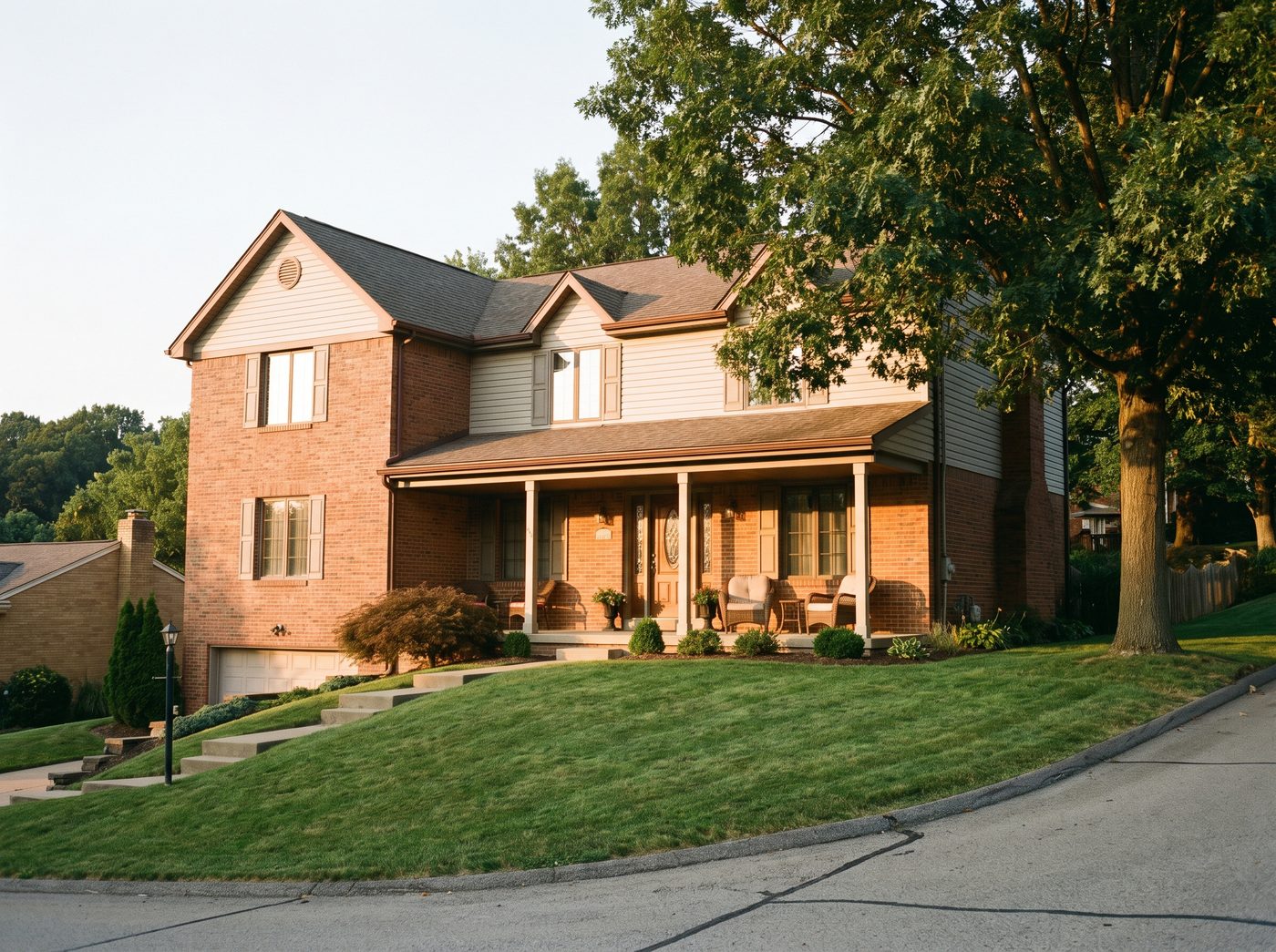
Can you sell a rental with tenants still in it?
Yes, and it happens constantly. A tenant-occupied property is just a property with a lease attached to it. You can list it, get an offer, and close while a renter is paying rent and living there the whole time. What you're really selling is two things at once: the building and the lease that comes with it.
The buyer takes the property "subject to" the tenancy. That's the phrase that matters. It means they don't get a blank house on closing day, they get your tenants, your lease terms, and your obligations as landlord, all transferred to them.
What happens to the lease when you sell?
This is where Pennsylvania is clear and a lot of out-of-state advice is wrong. Under the Pennsylvania Landlord and Tenant Act of 1951, a lease survives the sale. The new owner "shall be liable to the same duties" as the seller they bought from. In plain terms:
- The lease doesn't reset. Same rent, same end date, same rules. The buyer can't raise the rent or change terms mid-lease just because the deed changed hands.
- The security deposit goes with the property. You hand it over to the buyer at closing (usually as a credit), and they become responsible for returning it to the tenant. Don't pocket it, it isn't yours.
- A fixed-term tenant gets to stay. If your tenant has eight months left on a one-year lease, the buyer has to honor those eight months, unless the lease itself contains a sale-termination clause, which is rare.
So a signed lease isn't a liability hanging over the sale. It's a contract you're handing to the next owner, and for the right buyer that's the appeal.
Fixed lease vs. month-to-month: which changes your options?
The single biggest factor in how flexible your sale is comes down to what kind of tenancy you have.
Fixed-term lease: the tenant is locked in and so is the buyer. Great if you're selling to an investor who wants the income. Limiting if you're selling to someone who wants to move in, because they have to wait the lease out.
Month-to-month: far more flexible. The new owner can end a month-to-month tenancy with proper written notice, generally 15 days for a tenancy of less than one year in Pennsylvania, then go through the normal eviction process if the tenant doesn't leave. That opens the door to owner-occupant buyers too. One thing that never changes: nobody, not you and not the buyer, can change the locks or force anyone out without going through the magisterial district court. Self-help lockouts are illegal in PA, full stop.
If you're not sure which you have because the original lease lapsed years ago and the tenant just kept paying, you're almost certainly month-to-month by default. That's common with the long-term tenants you find in Penn Hills and the Mon Valley.
Occupied or vacant, which nets you more?
The free 2-minute Home Seller IQ looks at your lease, your tenants, and the condition of the unit, then shows you whether selling it occupied or empty puts more in your pocket. No pitch, no pressure.
See if you qualify →Who actually buys a tenant-occupied house in Pittsburgh?
Two very different buyers, and knowing which one you're selling to changes everything.
Investors often prefer a place with tenants in it. A paying renter and a signed lease mean day-one cash flow with no vacancy and no turnover cost. A good buy-and-hold buyer will pay full value for a clean, occupied unit in Wilkinsburg or the South Hills because you've handed them income, not a project.
Owner-occupants want it empty so they can move in, which usually means waiting out a lease or buying a month-to-month and serving notice. Smaller pool, sometimes a higher price, but a slower path.
This is the part people get backwards. Tenants don't lower your value, they just narrow your buyer pool to people who want the income. The mistake is dumping it on the open market to whoever wanders by, when marketing it to the right buyers, the ones who actually want an occupied rental, is what gets you full price. I break down the dollar difference in my guide on cash offer vs. listing in Pittsburgh.
Do Pittsburgh's rental rules affect the sale?
A couple of local items are worth knowing before you list.
The City of Pittsburgh launched its Residential Housing Rental Permit Program in December 2024. As of mid-2026 enforcement is paused while litigation plays out, so compliance is effectively voluntary and the City has promised 30 days' notice before it becomes mandatory. It doesn't block a sale, but a buyer doing due diligence may ask about it, and if you're outside city limits your municipality may run its own rental registration or inspection program. Confirm the rules for your specific town.
The other one is the same point-of-sale item every Pittsburgh seller deals with: the dye test and any occupancy or sewer-lateral inspection your municipality requires at sale. Those apply to a rental exactly like they apply to an owner-occupied home, and a tenant in the unit doesn't change the requirement, it just means coordinating access. Selling as-is doesn't make a required dye test go away.
Keep it or sell it: the tired-landlord math
Before you sell, run the honest version of the math, because sometimes the answer is keep it.
Add up what the property actually clears in a year: rent collected, minus taxes, insurance, repairs, the occasional vacancy, and the value of your own time and aggravation. Divide that by what the place would net you if you sold today. If you're clearing a thin return on a lot of trapped equity and the 6 a.m. texts are wearing you out, selling and redeploying that equity often wins. If it's a strong-cash-flow unit with a great long-term tenant and little hassle, keeping it can beat selling.
There's no universal answer, and anyone who gives you one without looking at your numbers is selling something. If the property came to you through an inherited estate in Allegheny County and you never wanted to be a landlord in the first place, the calculus usually tips toward selling sooner rather than slowly bleeding on a house you don't want.
The honest bottom line
Selling a rental with tenants in Pittsburgh is routine, not risky, once you know the rules. The lease goes with the property, the deposit goes with the property, a fixed-term tenant stays and a month-to-month tenant can be given proper notice, and the right buyer pays you full value because there's income attached. The way to lose money is to assume you must empty the place first, evict a paying tenant for no reason, then sell a vacant house at a discount to the first cash buyer who calls. Don't hand a stranger your equity to solve a problem you don't actually have.
Figure out which buyer fits your unit and which path nets you the most, and the rest is just paperwork.